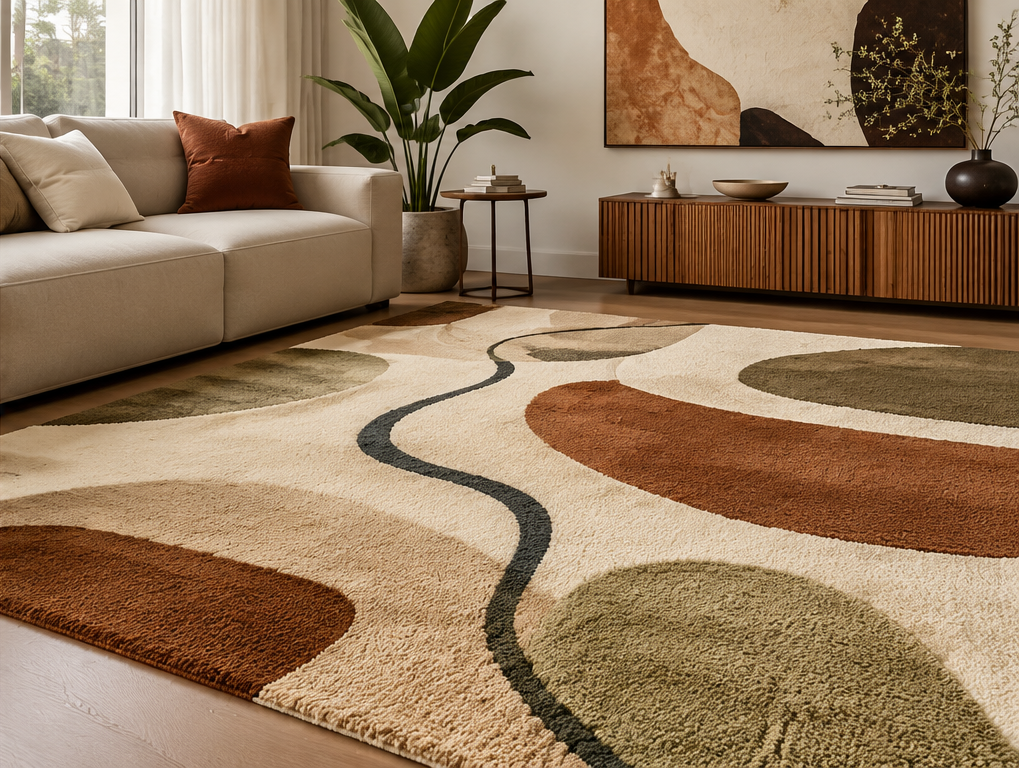
A beautiful home is more than a collection of furniture, decorations, and carefully selected colors. It is a space that reflects personality, creates comfort, and offers a welcoming atmosphere. Every design element contributes to this experience, but few accessories can transform a room as effectively as a handmade wool rug.
From contemporary living rooms to peaceful bedrooms, handmade wool rugs bring together natural beauty, craftsmanship, and practical comfort. Their soft textures, distinctive patterns, and versatile colors make them a meaningful addition to many interior styles.
At Alfiya Carpet, we appreciate the connection between thoughtful rug design and beautiful living spaces. Whether you prefer minimalist interiors, bold geometric patterns, or timeless decorative styles, understanding the qualities of handmade wool rugs can help you choose the right carpet for your home.
In this guide, we explore the artistry of handmade rugs, the advantages of natural wool, popular design styles, decorating ideas, and essential care practices.
1. What Makes Handmade Wool Rugs Special?
Handmade wool rugs stand apart because of the craftsmanship involved in their creation.
Unlike fully machine-produced carpets, handmade rugs involve skilled human work during important stages of production. Depending on the construction method, artisans may carefully position wool fibers, build patterns, shape decorative details, and finish the rug by hand.
This human involvement gives handmade rugs a distinctive character.
Wool itself is another important factor. As a natural animal fiber, wool has qualities that make it suitable for many types of floor coverings.
Its naturally crimped structure provides elasticity, helping wool fibers recover from everyday compression. Wool also offers warmth and a comfortable texture that can make interior spaces feel more inviting.
One of the most appealing qualities of handmade rugs is their individuality. Even when several rugs follow the same design, subtle variations in finishing and texture may occur because of the handmade process.
These details can contribute to the charm of a handcrafted product.
For homeowners seeking more than an ordinary floor covering, a handmade wool rug can become a memorable part of their interior design.
2. Understanding the Art of Hand-Tufted Wool Rugs
Hand-tufting is a popular construction technique used to create decorative wool rugs.
During this process, a rug maker uses a tufting tool to insert yarn through a stretched fabric foundation. The yarn forms the surface pile, while the foundation supports the overall design.
After tufting, the rug is secured using an appropriate backing system. The surface is then trimmed and finished to achieve the intended texture and appearance.
Hand-tufted rugs can feature many different visual styles, including:
- Contemporary abstract patterns
- Organic waves and flowing lines
- Modern geometric compositions
- Floral and botanical designs
- Minimalist solid colors
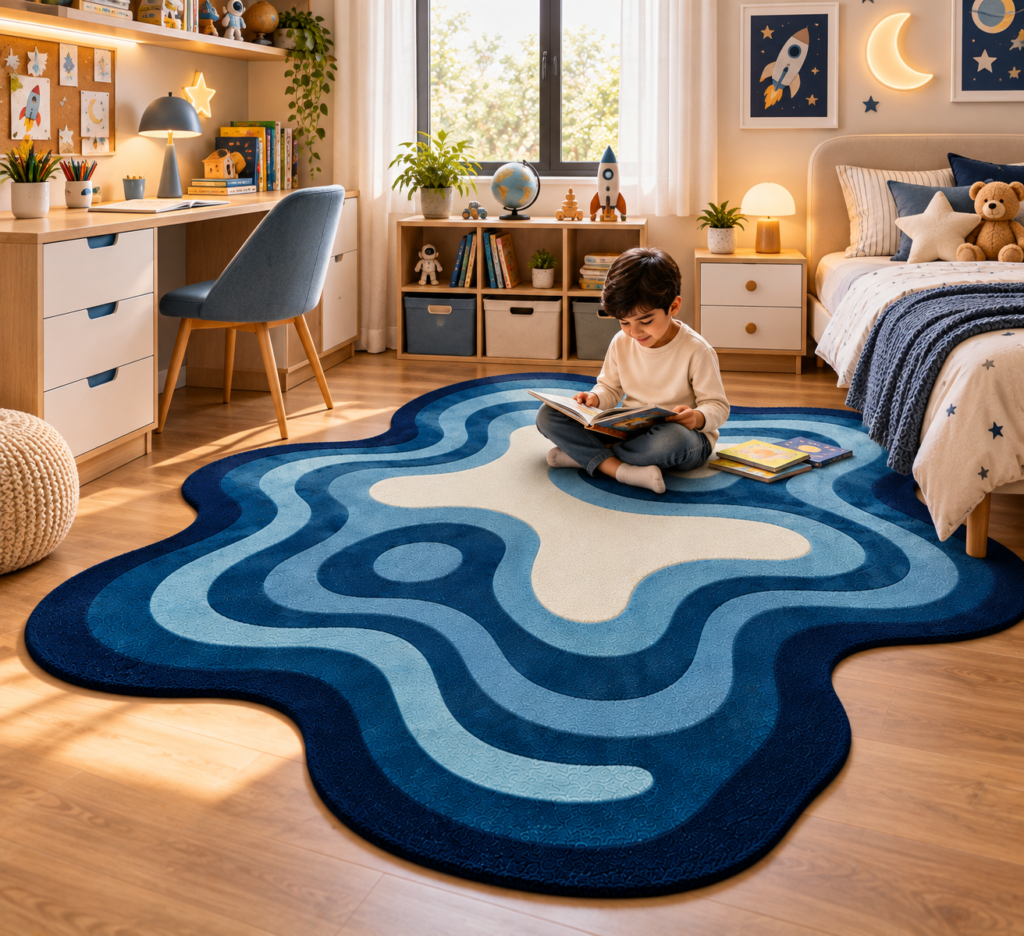
- Decorative shapes for children’s rooms
This versatility makes hand-tufted construction particularly useful for creative interior design.
It is important to understand that hand-tufted rugs differ from hand-knotted rugs. Hand-knotted carpets are constructed using individually tied knots, while hand-tufted rugs are produced by inserting yarn into a foundation.
Both methods involve craftsmanship, but their construction, care requirements, durability, and pricing can differ.
When choosing a rug, understanding these differences helps customers make informed purchasing decisions.
3. Why Natural Wool Is an Excellent Rug Material
The material used in a carpet greatly influences its comfort, appearance, and long-term performance.
Wool has been used in textiles for centuries, and it continues to be appreciated in modern rug production.
Natural Softness and Comfort
Wool fibers create a comfortable walking surface.
A dense wool pile can provide a cushioned feeling underfoot, making it especially appealing in living rooms, bedrooms, and relaxation areas.
The exact softness depends on the wool quality, pile construction, and finishing process.
Resilience and Durability
Wool fibers possess natural elasticity.
This allows them to recover from some compression caused by regular foot traffic. However, the overall durability of a rug also depends on construction quality, pile density, maintenance, and placement.
A properly made and maintained wool rug can offer many years of use.
Temperature Comfort
Wool is naturally insulating.
A wool carpet can help make a floor feel warmer during cooler seasons while contributing to a comfortable indoor environment.
This is particularly useful in rooms with tile, stone, or wood flooring.
Natural Appearance
Wool often has a soft, appealing surface that works beautifully with modern interiors.
Its texture can add visual depth without overwhelming the surrounding décor.
Depending on the fiber and finishing process, wool may have a natural luster, but well-finished cut-pile rugs can also create a beautifully understated matte appearance.
Renewable Fiber
Wool is a renewable animal fiber because sheep grow new fleece.
However, the overall environmental impact of a wool rug depends on farming practices, manufacturing methods, chemical treatments, transportation, and product longevity.
Choosing well-made rugs and caring for them properly can support a longer useful life.
4. How Handmade Wool Rugs Transform Living Rooms
The living room is often the heart of a home.
It is where families gather, guests are welcomed, and everyday moments are shared.
A thoughtfully selected rug helps organize the space while making it feel visually connected.
Creating a Focal Point
A decorative rug can become the central visual feature of a room.
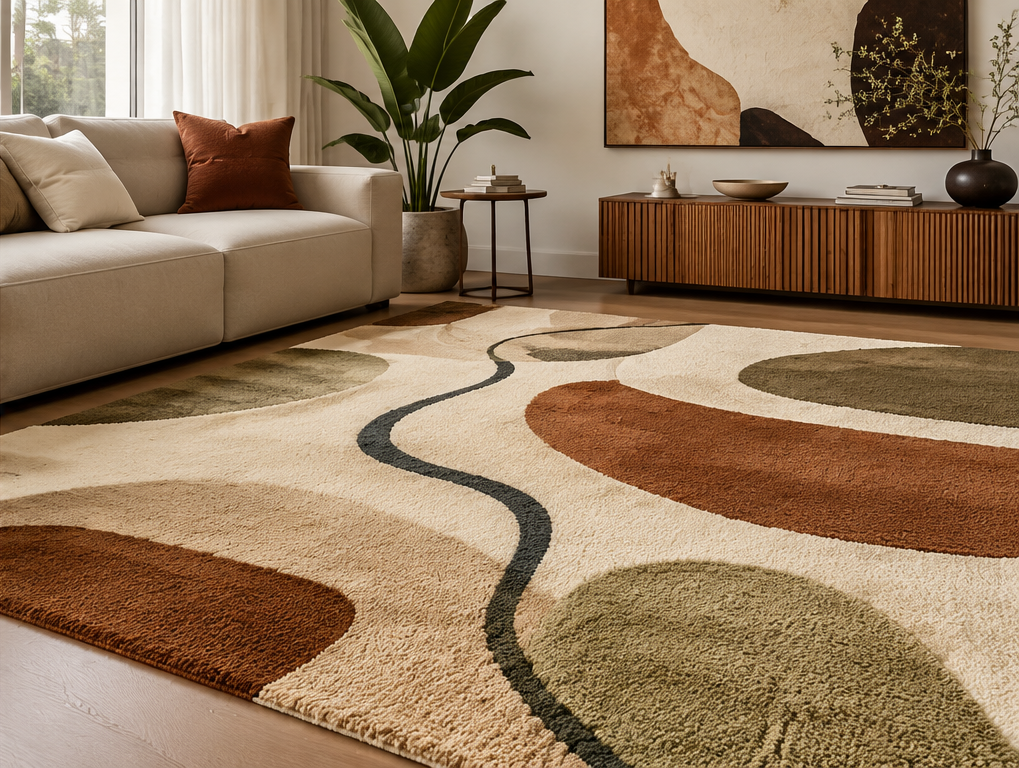
Abstract patterns, flowing shapes, and complementary colors can attract attention without requiring dramatic furniture or expensive decorative accessories.
For a neutral living room, a rug featuring warm earth tones can introduce subtle contrast.
In more colorful spaces, a neutral wool rug may create balance.
Connecting Furniture
A rug helps visually connect sofas, chairs, coffee tables, and surrounding décor.
Without a rug, furniture arrangements sometimes appear disconnected.
Placing the front legs of major seating pieces on the rug is a common approach that creates a more cohesive layout.
Adding Warmth and Texture
Contemporary interiors often feature smooth surfaces such as painted walls, wooden floors, glass tables, and metal accents.
A wool rug introduces tactile contrast that softens these materials.
This combination can create a balanced, comfortable atmosphere.
Defining Open Spaces
In open-plan homes, rugs can help distinguish different functional areas.
For example, a large area rug can identify the living room seating arrangement without requiring walls or partitions.
This makes rugs especially useful in modern apartments and multifunctional interiors.
5. Choosing the Perfect Rug Size for Your Room
Selecting the correct size is one of the most important decisions when purchasing an area rug.
A rug that is too small can make furniture appear disconnected, while an appropriately sized rug can create visual harmony.
Living Room Rugs
In a living room, the rug should generally be large enough to connect the main seating pieces.
Popular nominal sizes include:
- 5 × 8 feet for compact seating arrangements
- 6 × 9 feet for small to medium living spaces
- 8 × 10 feet for many standard living rooms
- 9 × 12 feet for spacious seating arrangements
These are general guidelines rather than strict rules.
Measure your room and furniture before selecting a size.
Bedroom Rugs
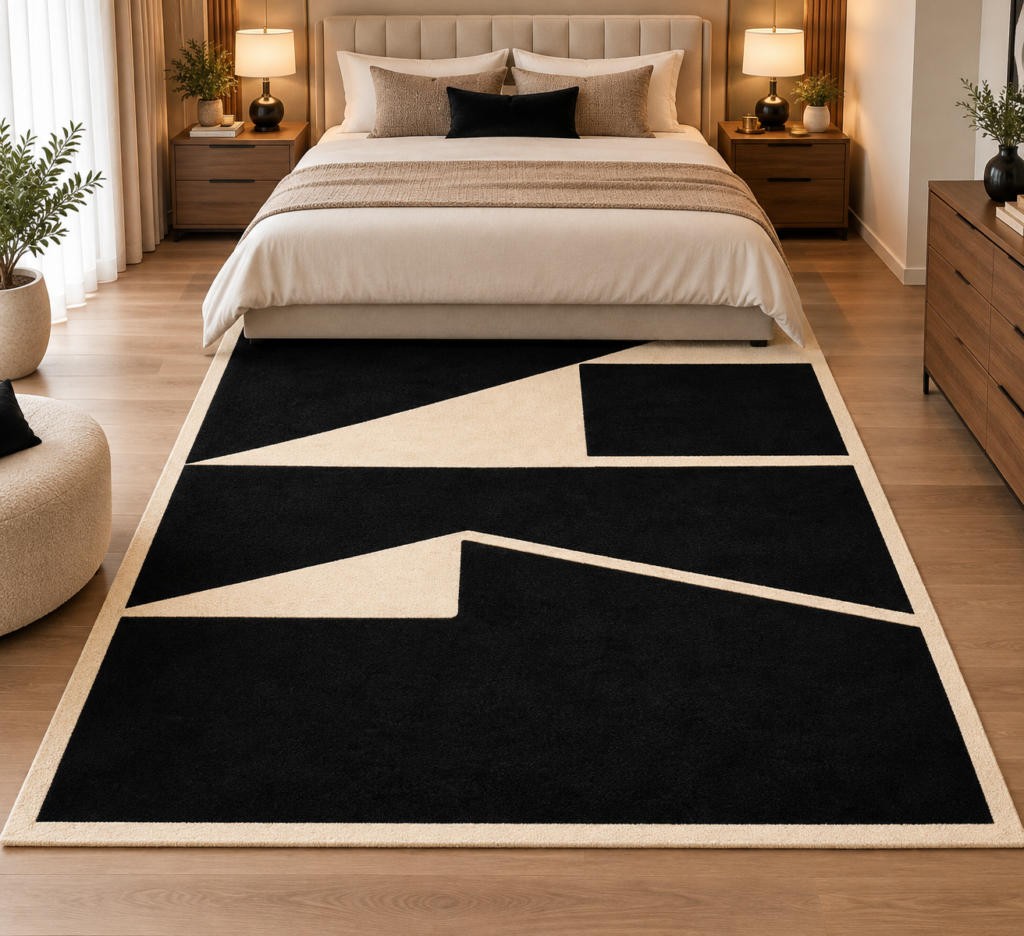
In bedrooms, rugs can extend beyond the bed to create a soft landing area.
A larger rug positioned beneath much of the bed often produces a balanced appearance.
Alternatively, runners on either side can provide comfort while leaving more of the existing flooring visible.
Dining Room Rugs
For dining areas, the rug should ideally extend far enough beyond the table to accommodate chairs when they are pulled out.
This reduces the likelihood of chair legs catching on the rug’s edge during everyday use.
Entryway Rugs
Entryway rugs can introduce visitors to the style of the home.
Choose an appropriate size that allows doors to open freely and does not obstruct foot traffic.
A suitable rug pad may also help improve stability.
6. Popular Handmade Rug Styles for Modern Interiors
One of the greatest advantages of decorative wool rugs is the variety of styles available.
Different designs can create dramatically different interior experiences.
Abstract Wool Rugs
Abstract designs feature unconventional shapes, flowing lines, and artistic color combinations.
They are especially appealing in contemporary interiors where furniture is simple and the rug provides visual interest.
Earth tones, muted greens, warm beige, and deep brown can create sophisticated combinations.
Geometric Wool Rugs
Geometric carpets use recognizable patterns such as squares, arches, circles, and stripes.
These designs work particularly well in modern and mid-century-inspired spaces.
Large geometric forms can create a bold appearance while remaining relatively easy to coordinate with furniture.
Minimalist Wool Rugs
Minimalist rugs emphasize simplicity.
Neutral colors, subtle textures, and understated patterns create a calm atmosphere.
Cream, ivory, oatmeal, taupe, and warm gray are versatile choices for many interior styles.
Floral Wool Rugs
Floral rugs introduce elements inspired by nature.
Large blossoms, delicate leaves, and botanical arrangements can create a soft decorative atmosphere in bedrooms, reading corners, and living spaces.
Round and Irregular Rugs
Not every room requires a conventional rectangular carpet.
Round rugs can soften rooms dominated by straight furniture lines.
Irregular rugs offer playful shapes and can create an artistic focal point.
When selecting an unconventional rug shape, consider how its outline interacts with nearby furniture and walking areas.
7. The Growing Appeal of Custom Wool Rugs
Every home has different dimensions, furniture arrangements, and decorating preferences.
Standard rug sizes may not always provide the desired result.
Custom rugs offer an opportunity to select dimensions and design details that suit a particular space.
Depending on the manufacturer’s capabilities, customization may include size, shape, color, and pattern adjustments.
Better Room Proportions
A custom-sized rug can fit unusual room layouts more precisely.
This is useful for narrow spaces, oversized living rooms, and furniture arrangements that do not match standard carpet dimensions.
Coordinated Colors
Custom colors can help homeowners coordinate rugs with existing furniture, curtains, wall finishes, and decorative accessories.
A carefully planned palette can create a cohesive interior.
Personal Design Preferences
Some customers prefer large flowing patterns, while others enjoy geometric shapes or understated solid colors.
Customization allows them to explore a design that reflects their individual style.
Before ordering, customers should confirm measurements, color options, construction details, production timelines, and return conditions with the seller.
8. How to Select the Right Rug Color
Color has a powerful influence on the overall atmosphere of a room.
The right rug color should complement the surrounding space while supporting the desired design style.
Warm Neutral Colors
Ivory, beige, cream, and soft taupe create inviting interiors.
These colors pair beautifully with light wood furniture, neutral sofas, and natural decorative materials.
Earthy Shades
Terracotta, rust, olive, caramel, and chocolate brown introduce warmth and richness.
They work particularly well in organic-modern and nature-inspired interiors.
Cool Colors
Blue, sage green, and muted gray can create a peaceful appearance.
These shades are often used in bedrooms and spaces intended for relaxation.
Contrasting Colors
A rug combining light and dark shades can add definition to a minimalist room.
For example, an ivory rug with charcoal geometric elements may complement black metal furniture and light oak flooring.
When selecting colors online, remember that screen settings and lighting conditions may affect how shades appear.
Requesting additional photographs or material samples, when available, can help buyers make more confident decisions.
9. Styling Wool Rugs in Different Rooms
Handmade wool rugs are versatile enough to complement various parts of the home.
Modern Living Rooms
Choose a large abstract or geometric rug to anchor the seating arrangement.
Coordinate at least one rug color with cushions, artwork, or other decorative pieces for a unified appearance.
Elegant Bedrooms
Soft neutral wool rugs can create a relaxing atmosphere.
A generously sized rug positioned beneath the bed adds comfort and helps visually frame the furniture.
Home Offices
A carefully selected rug can make a home office feel more welcoming.
Consider low to medium pile heights in areas where office chairs need to move easily.
Reading Corners
A small round or organically shaped rug can define a cozy reading space.
Pair it with a comfortable chair, suitable lighting, and a small side table.
Children’s Rooms
Playful shapes and cheerful colors can add personality to children’s spaces.
However, rugs should be selected with practical safety considerations in mind, including secure placement, age-appropriate use, and the manufacturer’s care instructions.
For nursery environments, avoid placing loose rugs or other soft furnishings inside an infant’s sleep space.
10. How to Care for a Handmade Wool Rug
Proper care plays an important role in preserving the appearance and performance of a wool carpet.
Although wool can be resilient, it still requires appropriate maintenance.
Vacuum Regularly
Routine vacuuming helps remove loose dust and debris before they settle deeper into the pile.
Use a suitable vacuum setting and follow the rug manufacturer’s recommendations.
Aggressive rotating brushes may be unsuitable for some handmade rug constructions.
Address Spills Promptly
When a spill occurs, gently blot the affected area with a clean, absorbent cloth.
Avoid rubbing aggressively, as this can spread the spill or disturb the pile.
Use cleaning products only when they are appropriate for the rug’s materials and dyes.
Rotate the Rug
Rotating a rug periodically may help distribute everyday wear more evenly.
This is particularly useful in rooms where certain sections receive more foot traffic or sunlight.
Avoid Prolonged Direct Sunlight
Extended exposure to strong sunlight may cause some rug dyes to fade.
Curtains, blinds, and thoughtful furniture placement can help reduce uneven exposure.
Use an Appropriate Rug Pad
A compatible rug pad can help reduce slipping, provide additional cushioning, and protect the underlying floor.
Check that the pad is suitable for both the rug and the floor finish.
Seek Professional Cleaning When Necessary
For deep cleaning, consult a professional experienced with wool rugs and the specific construction method.
Hand-tufted carpets may contain adhesives and backing materials that require particular care.
Following appropriate cleaning recommendations can help preserve the rug’s appearance.
11. Handmade Wool Rugs vs Synthetic Rugs
Both wool and synthetic rugs serve different purposes, and the right choice depends on budget, lifestyle, and individual preferences.
Wool rugs are valued for their natural fiber composition, elasticity, and rich textile character.
Synthetic rugs, often produced using fibers such as polypropylene or polyester, may offer different advantages, including lower initial prices or specific stain-resistant properties.
However, performance varies considerably between products.
Not every wool rug is more durable than every synthetic rug, and not every synthetic rug is easier to maintain.
Construction quality, fiber treatment, pile density, backing materials, and daily use all influence a rug’s performance.
Rather than choosing based on material alone, shoppers should evaluate the complete product.
A well-informed purchase considers comfort, construction, appearance, cleaning needs, and overall value.
12. What to Look for When Buying a Handmade Carpet Online
Buying a rug online gives customers access to many designs, colors, and sizes.
However, careful product evaluation is essential.
Start by reviewing the material description.
Check whether the rug uses 100% wool or a blend of fibers.
Next, examine the construction method. Hand-tufted, hand-knotted, handwoven, and machine-made rugs are different product categories.
Review detailed photographs that show the full rug, surface texture, edges, and backing.
Accurate measurements are equally important. Confirm the dimensions before ordering, especially for custom-sized products.
Pay attention to product care instructions, processing times, shipping information, and return conditions.
Customer reviews may provide additional insight, but product descriptions and direct communication with the seller remain valuable.
For made-to-order rugs, it is especially important to confirm customization details before production begins.
Transparent communication helps customers understand what they are purchasing and what to expect.
13. Creating a Timeless Interior with Wool Rugs
Interior design trends change over time, but carefully selected materials and balanced color combinations can remain appealing for many years.
A timeless rug does not need to be completely plain.
Large abstract shapes, understated geometric patterns, and botanical influences can all work beautifully in interiors designed for lasting appeal.
The key is to consider proportion, color harmony, and how the rug interacts with the surrounding environment.
For example, a neutral rug can serve as a versatile foundation while homeowners update cushions, artwork, and other decorative accessories.
A more colorful rug can become a signature feature when paired with simple furniture.
Choosing a rug that genuinely suits your personal taste is often more valuable than following every passing trend.
Comfort, practical maintenance, and appropriate sizing should also remain important considerations.
14. Discover the Possibilities with Alfiya Carpet
A rug can do much more than cover a floor.
It can connect furniture, introduce color, add comfort, and help establish the personality of a room.
From minimalist wool carpets to expressive abstract designs, there are countless ways to use rugs creatively.
At Alfiya Carpet, we celebrate the visual beauty of carpets and the role they play in making interiors feel complete.
We believe that understanding materials, craftsmanship, design, and appropriate care helps customers make confident decorating decisions.
Whether you are decorating a new apartment, updating a living room, or exploring options for a bedroom, taking time to choose the right rug can make a meaningful difference.
Explore the world of wool rugs, discover styles that inspire you, and find a design that complements your home.
Frequently Asked Questions About Handmade Wool Rugs
1. Are handmade wool rugs suitable for everyday use?
Yes. Many handmade wool rugs are designed for regular household use. Suitability depends on construction quality, pile density, placement, and proper maintenance.
2. What is the difference between hand-tufted and hand-knotted rugs?
Hand-tufted rugs are made by inserting yarn through a foundation using a tufting tool. Hand-knotted rugs are constructed using individually tied knots. These methods differ in construction and can differ in durability, price, and care requirements.
3. Can handmade wool rugs be customized?
Some rug manufacturers offer customization in size, colors, patterns, and shapes. Available options depend on the seller’s manufacturing capabilities.
4. Do wool rugs shed?
Some shedding is normal, particularly with new cut-pile wool rugs. The amount varies depending on fiber quality, construction, and finishing. Persistent excessive shedding may require further evaluation.
5. Are wool rugs easy to clean?
Wool rugs can be maintained through appropriate vacuuming, prompt spill treatment, and occasional professional cleaning. Always follow the manufacturer’s instructions.
6. Which wool rug colors work best in modern homes?
Cream, beige, taupe, olive, terracotta, muted blue, and other balanced shades can complement modern interiors. The best choice depends on existing décor and personal preferences.
7. Are thick wool rugs comfortable?
A dense wool pile can create a cushioned and comfortable surface. Actual comfort depends on pile height, fiber quality, construction, and any rug pad used.
Final Thoughts
Handmade wool rugs combine natural materials, craftsmanship, comfort, and artistic expression.
They can add warmth to a minimalist bedroom, create a focal point in a contemporary living room, or introduce character to a carefully decorated home.
By understanding materials, construction methods, rug sizing, color selection, and maintenance, homeowners can choose carpets that suit both their practical needs and personal style.
A thoughtfully selected rug is more than a decorative accessory. It becomes part of the atmosphere and everyday experience of a home.
Discover the beauty of thoughtfully designed rugs with Alfiya Carpet, where beautiful interiors begin with the details beneath your feet.https://alfiyacarpet.quora.com/