Choosing a carpet for your home may seem simple at first. You may find a color you like, select a suitable size, and imagine how it will look in your room. However, a carpet is more than a decorative accessory. It can influence the comfort, appearance, atmosphere, and functionality of an entire space.
The right carpet can make a large room feel more inviting, give a bedroom a softer character, or bring different pieces of furniture together. On the other hand, the wrong size, material, or pattern can make a carefully designed room feel unbalanced.
With so many options available, understanding what to look for can make the buying process much easier.
This guide explains how to choose a carpet for different rooms, how to select the right material and size, and how to create an interior that feels comfortable and visually balanced.
Start by Understanding Your Room
Every room has different requirements. A bedroom may need a soft and comfortable surface, while an entrance area may need something that can handle frequent movement. A living room might require a decorative statement piece, whereas a home office may benefit from a simple design.
Ask yourself a few basic questions:
- How much foot traffic does it receive?
- What furniture will sit on the carpet?
- What colors already exist in the room?
- How much maintenance are you willing to do?
- Do you want the carpet to stand out or blend with the décor?
Answering these questions before shopping can help narrow down your choices.
Choosing the Right Carpet for the Living Room
The living room is often the main social area of a home, making it one of the best places to use a decorative carpet.
A well-chosen rug can visually connect a sofa, coffee table, chairs, and other furniture. Instead of making every piece look separate, the carpet can create a central area that feels intentional.
Choose the Size According to Your Furniture
Size is especially important in a living room.
A small rug placed in the center of a large seating arrangement can appear disconnected. A larger rug, on the other hand, can help bring the furniture together.
Before purchasing, measure the seating area rather than guessing the required dimensions.
If you have a large sofa and several chairs, consider how much of the furniture should sit on or around the rug. The final arrangement should look balanced from different angles.
Use Patterns to Add Character
A plain living room can benefit from a patterned carpet. Traditional floral designs can add elegance, while geometric patterns can give the space a contemporary feel.
If your sofa, curtains, or cushions already have strong patterns, consider a more subtle carpet. When the furniture is simple, a decorative rug can become the visual focus.
Selecting a Carpet for the Bedroom
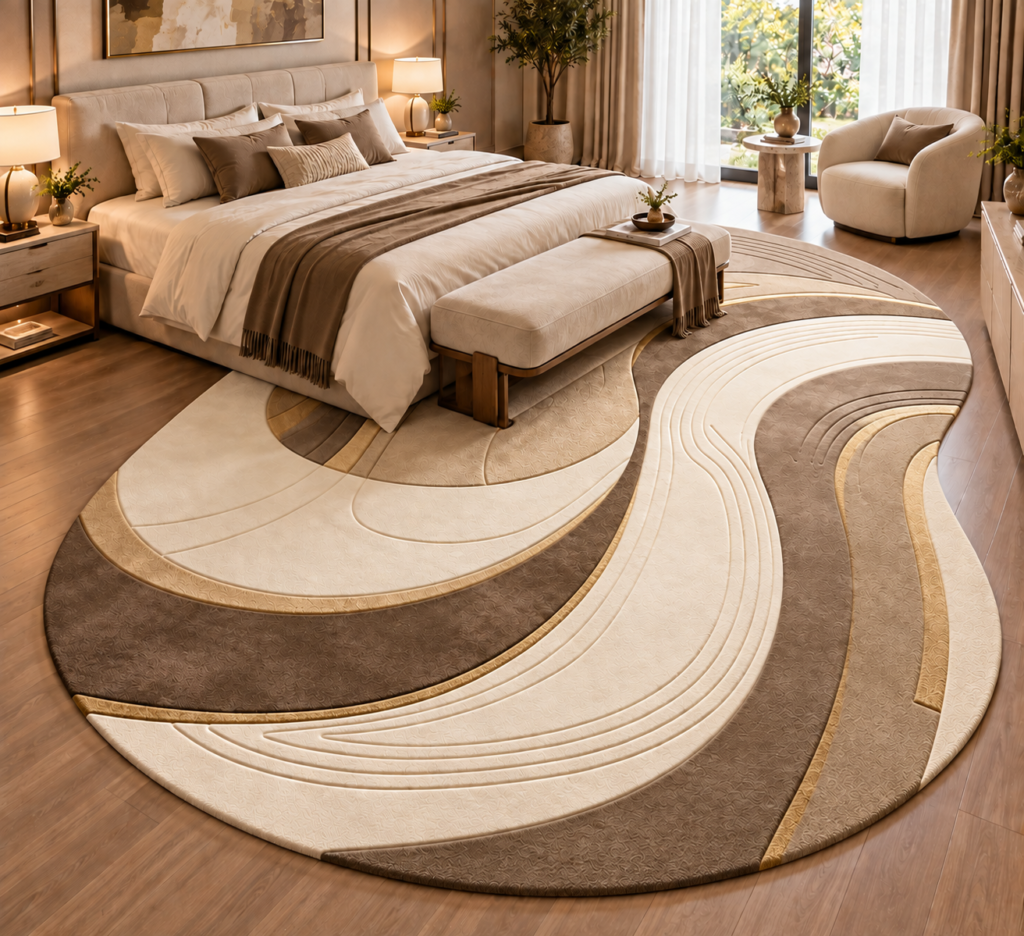
A bedroom should feel comfortable and relaxing. The carpet can play an important role in creating that atmosphere.
Soft textures, gentle colors, and comfortable materials are often suitable for bedrooms.
Choose Calming Colors
Neutral shades such as cream, ivory, beige, taupe, and soft grey can create a peaceful appearance.
If you prefer stronger colors, consider muted versions rather than extremely bright tones. Deep green, warm brown, dusty blue, or soft terracotta can add personality while maintaining a relaxed atmosphere.
Consider the Area Around the Bed
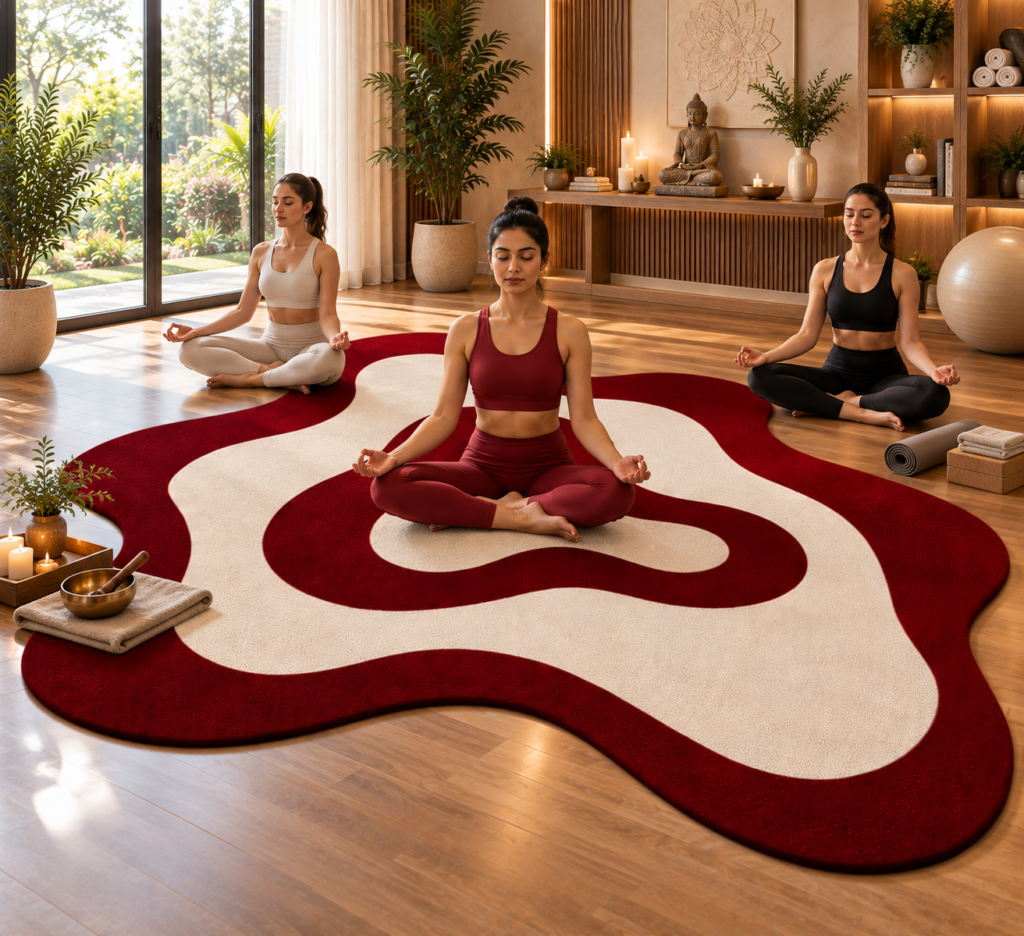
A carpet does not always need to cover the entire bedroom floor.
The best arrangement depends on the room dimensions, furniture placement, and desired appearance.
Finding the Right Carpet for a Dining Room
Dining rooms require a little more planning because chairs need to move regularly.
This can make the arrangement look awkward and may also cause the rug to shift.
Consider Practical Materials Therefore, consider a carpet that suits your cleaning and maintenance preferences.
A design with some variation in color or pattern may be more forgiving of everyday marks than an extremely light, plain surface.
Always check the manufacturer’s care recommendations before purchasing.
Carpets for Home Offices
A home office should feel professional while remaining comfortable enough for long working hours.
A carpet can soften the appearance of the room and make the workspace feel more finished.
Geometric designs, subtle textures, and neutral shades can work well in professional interiors.
Colors such as charcoal, beige, grey, navy, brown, or muted green can create a sophisticated background without becoming distracting.
If your office contains a wooden desk and shelving, a textured carpet can add another visual layer and make the room feel warmer.
Choosing Carpets for Children’s Rooms
Children’s rooms require a different approach.
Simple English:
“Along with the look, you should also think about comfort, easy cleaning, the right size, and safe placement.”.
Playful shapes, animals, colorful patterns, and imaginative designs can make a child’s room more enjoyable.
However, avoid choosing a carpet based only on its appearance.
A properly positioned rug should also remain stable during everyday movement.
Understanding Carpet Materials
Wool
It can work beautifully in bedrooms, living rooms, libraries, and sophisticated hospitality environments.
A wool carpet may have a naturally rich texture that gives the room a refined appearance.
Jute a natural plant fiber with a distinctive texture.
carpets can complement interiors that use wood, natural fabrics, plants, and earthy colors. They are particularly suitable for rustic, bohemian, coastal, and relaxed contemporary décor.
Because natural fibers have their own characteristics, always review the product’s care instructions before purchasing.
Nylon
Simple English:
“Nylon is a good choice for areas that get a lot of use.”
It can be suitable for busy rooms, hallways, offices, and other spaces that receive regular foot traffic.
Simple English:
Polyester
Haan, isko aur bhi simple English mein:
They can be suitable for bedrooms, family rooms, and other spaces where comfort and decorative appearance are important.
Handmade Carpets for a Distinctive Interior
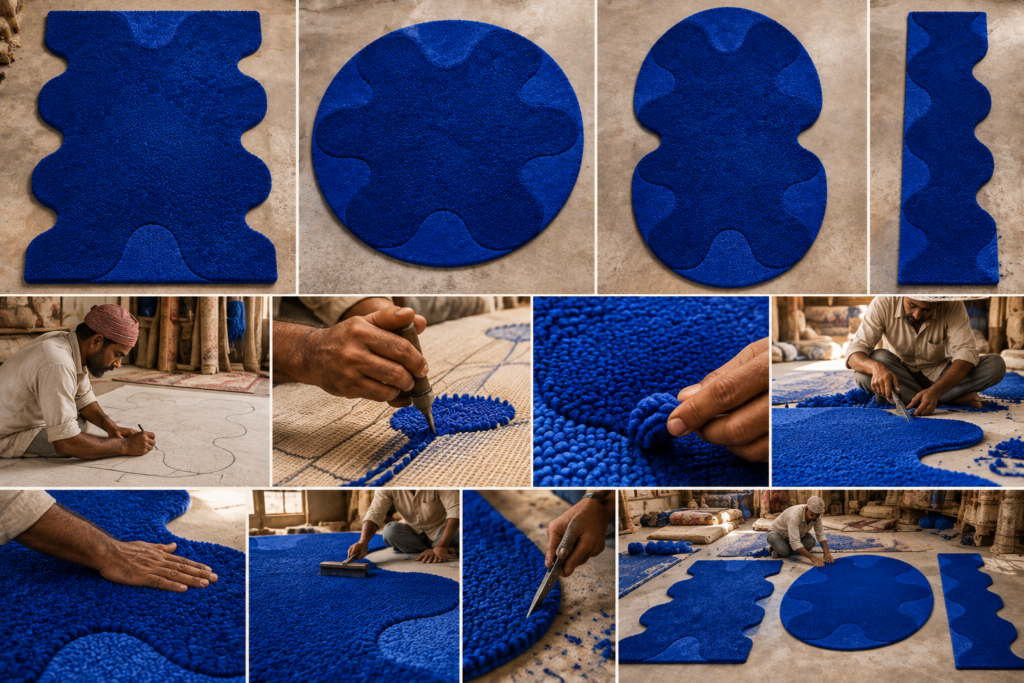
Handmade carpets can give a room a more individual character.
Unlike designs selected only for basic functionality, handmade pieces can become decorative features in their own right. Their patterns, textures, and craftsmanship can contribute strongly to the personality of an interior.
They can be especially suitable for homeowners who want something distinctive rather than a completely uniform appearance.
Simple English:
“A handmade carpet can be the main feature of a living room, bedroom, study, or luxury hotel.”
Hand-Tufted and Hand-Knotted Carpets
Hand-tufted and hand-knotted carpets are two different construction methods.
This gives them a traditional and detailed look.”
How Carpet Color Changes a Room
Color is one of the easiest ways to influence the visual atmosphere of a space.
Light Colors
Cream, ivory, beige, and soft grey can make a room feel brighter and more open.
They are particularly useful in interiors where you want to create a calm and airy appearance.
Dark Colors
Charcoal, deep green, navy, and rich brown can create depth and a more intimate atmosphere.
Dark carpets can work particularly well with lighter walls and furniture.
Warm Colors
Terracotta, warm beige, caramel, muted gold, and brown can create a welcoming environment.
These shades often work well with wooden furniture and warm lighting.
Neutral Colors
Neutral carpets are highly versatile. They can work with different furniture styles and make it easier to change decorative accessories later.
Carpet Patterns and Interior Style
The pattern should reflect the character of your interior.
Traditional Interiors
Floral, ornamental, and Persian-inspired patterns can complement classic furniture and decorative details.
Modern Interiors
Geometric and clean-lined patterns can work well with contemporary furniture.
Minimalist Interiors
A simple textured carpet or understated design can add warmth without making the room visually busy.
Luxury Interiors
Rich textures, sophisticated patterns, and carefully balanced colors can create a premium appearance.
The goal is not to make the carpet match every object in the room. Instead, look for connections in color, texture, and overall style.
Why Carpet Size Matters
A beautiful design can lose its impact if the carpet is the wrong size.
Before buying, measure the room and mark the intended carpet area. You can use removable tape on the floor to visualize the dimensions.
This simple step can help you understand how the carpet will interact with furniture.
Taking measurements first is much safer than relying on assumptions.
How to Place a Carpet Correctly
Placement affects both appearance and functionality.
In a living room, the carpet can sit beneath the central coffee table and extend toward the seating. Simple English:
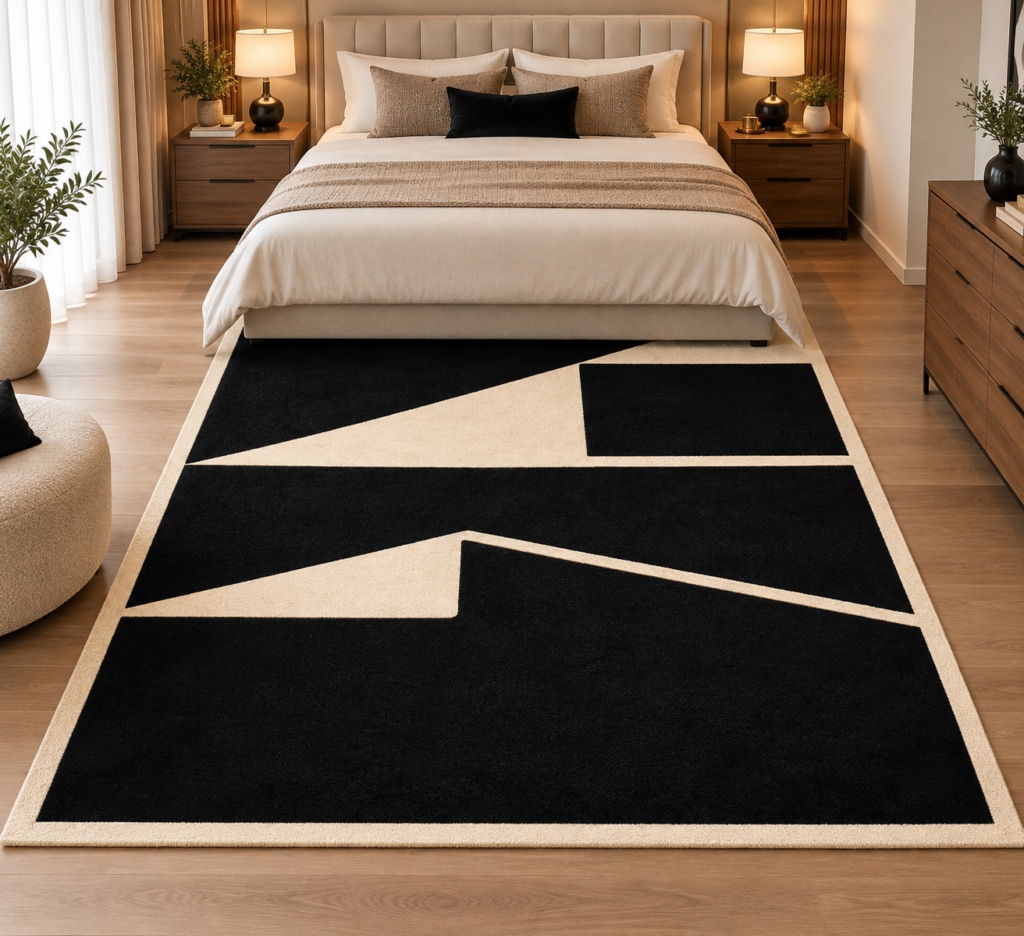
“In a bedroom, you can place the rug under the bed or next to the bed.”
For a dining room, make sure chairs can move without constantly catching the edge of the rug.
In an office, the carpet should not interfere with chair movement or doors.
Always check the surrounding space before finalizing the placement.
Carpet Maintenance Made Simple
Simple English:
“Taking care of your carpet does not have to be difficult.”
Vacuum Regularly
Regular vacuuming helps remove loose dirt and dust from the surface.
Rooms with heavy foot traffic may require more frequent cleaning.
Deal With Spills Quickly
If a spill occurs, avoid waiting for it to dry completely.
Blot the affected area carefully and follow the care instructions supplied with the carpet.
Do not use random household chemicals without checking whether they are appropriate for the carpet material.
Protect the Carpet From Heavy Furniture
Heavy furniture can place concentrated pressure on carpet fibers.
Furniture pads may help distribute this pressure, depending on the carpet and furniture type.
Rotate Movable Rugs
Simple English:
“If you can rotate the rug safely, change its position from time to time to help prevent uneven wear.”
This can be particularly useful in areas where people naturally walk through the same part of the room.
Common Carpet-Buying Mistakes to Avoid
Simple English:
“You can avoid many carpet problems by making the right choice before buying.”
Buying Without Measuring
Never estimate the size based only on photographs. Measure the actual room.
Choosing Appearance Over Function
Aur simple English:
“A beautiful carpet may not be suitable for a busy area if it is not strong enough for regular use.”
Ignoring Maintenance
Different materials require different levels of care. Consider maintenance before buying.
Using Too Many Patterns
If the room already contains several strong patterns, adding another highly detailed design may make the space feel crowded.
Forgetting the Rug Pad
Depending on the flooring and rug type, a suitable pad can improve stability and comfort.
Creating a Balanced Interior With Carpets
A carpet should work as part of the room rather than appearing like an isolated object.
Look at the dominant colors already present in the interior. Then choose a carpet that picks up one or two of those tones.
For example, a room with cream walls, wooden furniture, and dark green accessories could work well with an ivory, beige, or green-patterned rug.
Simple English:
“Similarly, a modern room with grey furniture can look great with a charcoal, ivory, light grey, or soft gold carpet.”
Small connections between the carpet and other elements can make the entire interior feel more coordinated.
Final Thoughts
Choosing a carpet is a combination of design, comfort, practicality, and personal preference.
The perfect carpet for one room may not be suitable for another. A bedroom may require softness, a hallway may need durability, and a living room may prioritize appearance and size.
Before making your purchase, think about the room’s purpose, measure the available space, study the material, consider the expected foot traffic, and select a color and pattern that complement the existing décor.
Whether you prefer a natural wool carpet, textured jute design, contemporary synthetic rug, handmade carpet, hand-tufted piece, or traditional hand-knotted creation, the most important factor is choosing something that genuinely fits your space.
A carpet can become one of the most noticeable elements in a room. With thoughtful selection, proper placement, and regular care, it can add comfort, character, and visual harmony to your home for years to come.
The best carpet is ultimately the one that makes your space feel more like your own.